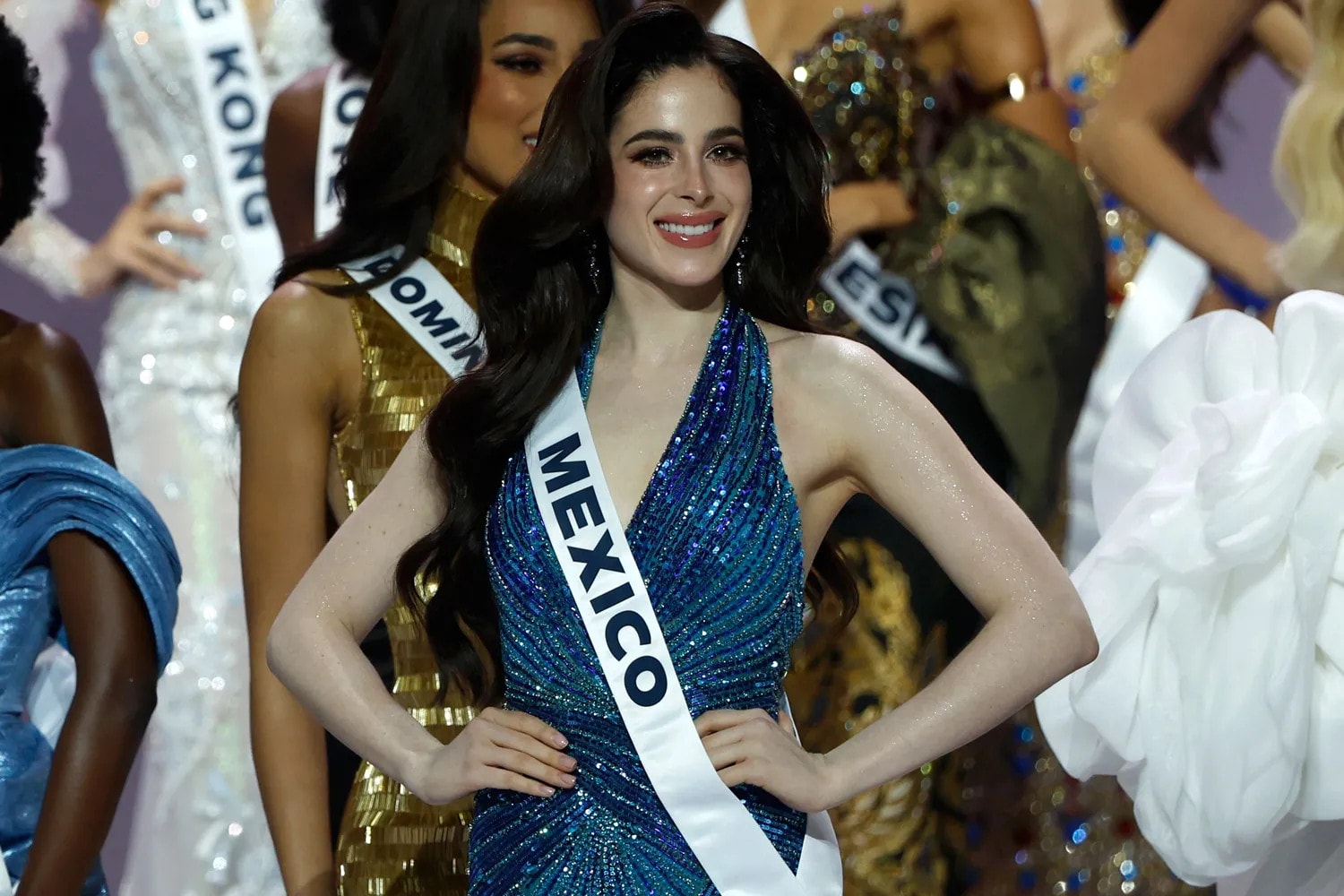
Crown of Controversy: Fátima Bosch Claims Miss Universe Title Amid Organizational Upheaval
The stage lights dimmed at Bangkok’s Impact Challenger Hall on Thursday evening, November 20, as the fashion world held its collective breath. In a moment that felt both triumphant and tinged with controversy, Fátima Bosch of Mexico ascended to claim the Miss Universe crown at the competition’s 74th iteration—a coronation that arrives shadowed by backstage drama that reads more like a high-stakes fashion week meltdown than a celebration of elegance.
This year’s pageant, draped in the theme “The Power of Love,” saw more than 130 nations sending their most stunning representatives to compete. Yet beneath the sequined gowns and carefully coiffed hair lay a narrative far removed from the glamour we’ve come to expect from this storied institution.
The prelude to Bosch’s victory was anything but picture-perfect. Just weeks before the finale, on November 4, the fashion and pageantry communities were left reeling when footage surfaced of pageant executive Nawat Itsaragrisil publicly reprimanding the now-crowned winner. The alleged offense? Declining to participate in a social media-focused photo shoot—a seemingly minor transgression that escalated into a full-blown incident when Itsaragrisil reportedly continued his reproach despite Bosch’s denials.
source: LILLIAN SUWANRUMPHA/AFP via Getty
What followed was a moment of solidarity that fashion insiders are calling the pageant world’s #MeToo moment. Several contestants, in an unprecedented show of unity, followed Bosch out of the room—a powerful statement that resonated far beyond the walls of that contentious meeting.
In her subsequent media address, Bosch didn’t mince words, maintaining the poise we’d expect from a titleholder while firmly drawing her line in the sand. Her accusation that she was called disparaging names struck a chord with advocates who’ve long championed respect and dignity in competitive spaces where women are evaluated.
Miss Universe Organization president Raul Rocha Cantu stepped into the fray, offering public support and acknowledging that hospitality had been forgotten in favor of hostility. His statement, while diplomatic, couldn’t quite extinguish the flames of controversy.
But the drama didn’t end there. Days before the glittering finale, judge Omar Harfouch—the acclaimed pianist whose presence on any panel adds gravitas—resigned with explosive allegations. His claims of an unauthorized selection committee, potential conflicts of interest, and opacity around the judging process added another layer of intrigue to an already fraught competition.
Harfouch’s Instagram revelations painted a picture of behind-the-scenes chaos: an alleged shadow jury, undisclosed relationships, and procedural irregularities that would make even the most jaded fashion insider raise an eyebrow. The organization’s response—a hasty social media post showcasing selection committee members—only fueled speculation rather than quelling it.
Yet through it all, Bosch emerged victorious, her crown a testament not just to her beauty and grace, but to her resilience in navigating an environment that tested her mettle long before she stepped onto that final runway. In fashion, as in pageantry, the real power move is maintaining composure when the spotlight reveals more than anyone intended.
Mary Janika is the rising star in the world of fashion blogging. As a self-proclaimed 'shoe-aholic', Mary launched the blog 'Shoe Queen' to share her love of all things fashion footwear. Based in New York City, the epicenter of the fashion world, Mary constantly has her finger on the pulse when it comes to the latest and greatest shoe trends. From thigh-high boots to sky-high stilettos, Mary provides glimpses into her enviable personal shoe collection and serves up advice on how to style shoes for any occasion. With her down-to-earth attitude and humor-filled posts, Mary has cultivated an enthusiastic following of fellow shoe lovers. When she's not blogging, you'll find Mary thrifting vintage footwear, chatting up shoe designers about their newest collections, and of course, expanding her already-impressive lineup of heels and flats. For top-notch tips from a true shoe queen, look no further than Mary Janika and the Shoe Queen blog.
Bella Hadid Victoria’s Secret Fashion Show headlines wrote themselves the moment the lights dropped in Los Angeles. The 2026 spectacle, which staged its comeback...
Kendall Jenner polka dot heels were the unexpected showstopper of Saturday night, when the supermodel arrived at the sixth annual Academy Museum Gala in...
Kim Kardashian Black Open-Toe Heels: 5 Stunning Reasons
Kim Kardashian black open-toe heels proved that restraint can be the loudest statement in the room. Arriving...