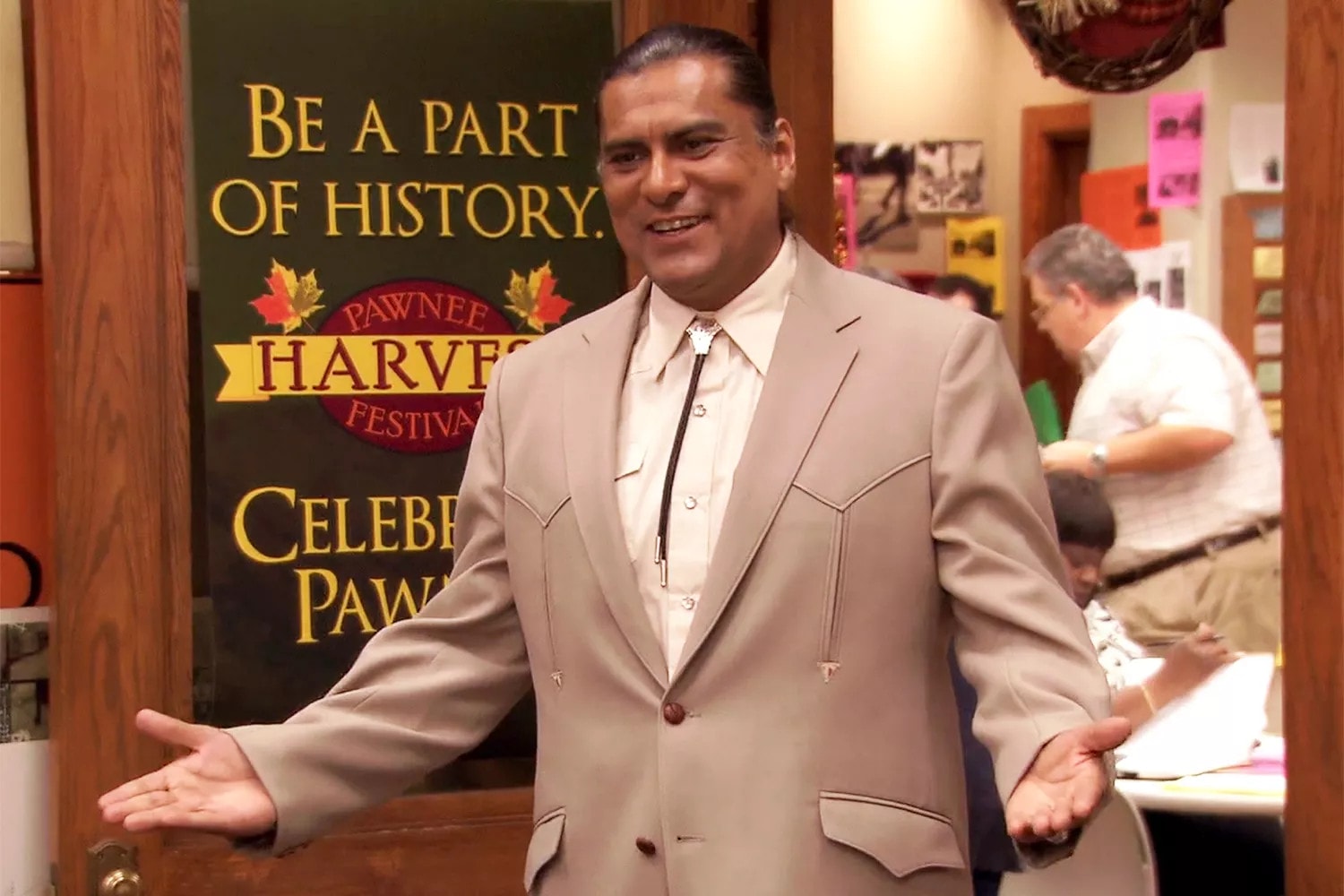
The Beautiful, Brutal Ending of Jonathan Joss: A Voice, A Vision, A Victim
On Sunday evening, as twilight settled over the south side of San Antonio, a man known not just for his voice, but for the soul behind it, was taken from this world in an act of brutal, senseless violence. Jonathan Joss, the beloved actor who gave emotional resonance to John Redcorn in the long-running animated series King of the Hill, was shot and killed during what authorities have described as a dispute with a neighbor. He was 59.
But this is not simply a story of a neighborhood altercation turned deadly. This is a story about queer identity, indigenous visibility, and the peril that still shadows those who dare to live authentically.
According to police reports, the suspect, 56-year-old Sigfredo Ceja Alvarez, was taken into custody and charged with murder. Authorities have not yet officially confirmed the motive. But the account from Joss’s husband, Tristan Kern de Gonzales, paints a harrowing and heartbreaking portrait of what truly transpired.
source: Jonathan Joss/Facebook
In a raw, deeply personal statement posted to Joss’s Facebook page just hours after the tragedy, Tristan described an environment of sustained harassment, fear, and open hatred. He called the killing a hate crime, alleging that he and Joss had endured two years of targeted threats—a campaign of intimidation that culminated in the burning down of their home and ultimately, a fatal shooting on ground they had once called safe.
Jonathan Joss was more than a character actor. He was a figure of cultural reclamation and representation, particularly for Indigenous and LGBTQ+ communities. Known not just for King of the Hill, but for roles in Parks and Recreation, Ray Donovan, and most recently, Tulsa King, Joss carried a quiet dignity, an understated elegance, and a sartorial signature that blended traditional influences with tailored modernity.
In interviews and public appearances, he often wore elements of Native craftsmanship—turquoise rings, beaded cuffs, textured layers in earth tones—without ever reducing heritage to costume. His fashion, like his performances, was lived-in, thoughtful, and honest.
And though he was never the kind of celebrity to grace the Met Gala steps, Joss’s sense of style was grounded in something more profound: authenticity. In a world that often demands performance from marginalized bodies, he simply existed—as himself, as a partner, as a creator. And that was revolutionary.
The tragedy deepens with the revelation that Joss died a hero, shielding his husband from the bullet that ended his own life. “Jonathan and I had no weapons,” Tristan wrote. “We were grieving. We were standing side by side. When the man fired, Jonathan pushed me out of the way. He saved my life.”
It’s difficult to comprehend the cruelty of what happened, or to articulate the weight of such a loss—personal, cultural, spiritual. But in this act of courage, Joss reminds us of the enduring power of love, even in the face of hate.
In the days ahead, many will mourn Jonathan Joss as a performer, a voice, a presence. But he must also be remembered as a man who stood firmly in his truth. As a partner who protected the person he loved. And as a human being who deserved so much more from the world.
As the entertainment industry begins to reckon with the implications of his death, we too, in fashion and culture, must not look away. The threads of style and identity are woven tightly with politics, safety, and humanity.
Mary Janika is the rising star in the world of fashion blogging. As a self-proclaimed 'shoe-aholic', Mary launched the blog 'Shoe Queen' to share her love of all things fashion footwear. Based in New York City, the epicenter of the fashion world, Mary constantly has her finger on the pulse when it comes to the latest and greatest shoe trends. From thigh-high boots to sky-high stilettos, Mary provides glimpses into her enviable personal shoe collection and serves up advice on how to style shoes for any occasion. With her down-to-earth attitude and humor-filled posts, Mary has cultivated an enthusiastic following of fellow shoe lovers. When she's not blogging, you'll find Mary thrifting vintage footwear, chatting up shoe designers about their newest collections, and of course, expanding her already-impressive lineup of heels and flats. For top-notch tips from a true shoe queen, look no further than Mary Janika and the Shoe Queen blog.
Bella Hadid Victoria’s Secret Fashion Show headlines wrote themselves the moment the lights dropped in Los Angeles. The 2026 spectacle, which staged its comeback...
Kendall Jenner polka dot heels were the unexpected showstopper of Saturday night, when the supermodel arrived at the sixth annual Academy Museum Gala in...
Kim Kardashian Black Open-Toe Heels: 5 Stunning Reasons
Kim Kardashian black open-toe heels proved that restraint can be the loudest statement in the room. Arriving...