From Fashion Week to Reality TV: How ‘The Biggest Loser’ Reflects Our Toxic Relationship with Bodies
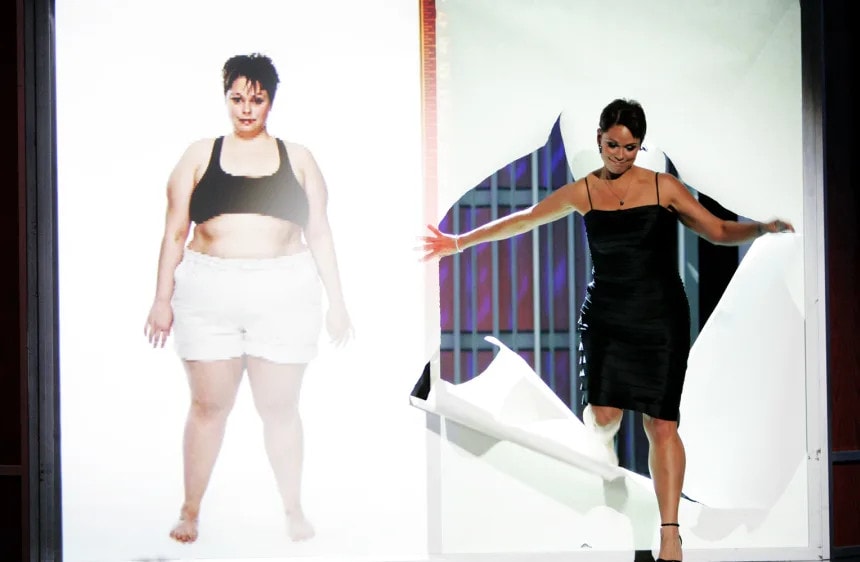
In an era where body positivity has become the cultural zeitgeist and wellness has replaced weight loss as the aspirational goal, Netflix’s latest docuseries arrives like an unwelcome ghost from fashion’s not-so-distant past. “Fit for TV: The Reality of the Biggest Loser” serves as a stark reminder of how dramatically our relationship with bodies, beauty, and transformation has evolved—and how far we still have to go.
The three-part series dissects NBC’s once-beloved competition show with the precision of a couture seam ripper, unraveling 18 seasons of what we now recognize as deeply problematic entertainment. For those of us who witnessed the fashion industry’s own reckoning with unrealistic beauty standards, the parallels are impossible to ignore. Just as we’ve moved away from size-zero runway models and embraced diverse body types on magazine covers, “The Biggest Loser” now feels like a relic from an era when transformation was synonymous with deprivation.
The docuseries reveals disturbing behind-the-scenes moments that would make even the most hardened fashion editor wince. Tracey Yukich’s near-death experience during a beach challenge—developing rhabdomyolysis, a condition where muscles literally disintegrate—reads like a cautionary tale about the extreme lengths people will go to for physical transformation. Her collapse on that beach mirrors the countless models who’ve fainted backstage at fashion shows, victims of an industry that once prioritized aesthetics over health.
source: NBC/Everett Collection
Co-creator David Broome, former host Alison Sweeney, and trainer Bob Harper’s reflections paint a picture of an industry grappling with its own legacy—much like fashion houses confronting their histories of promoting unhealthy standards. The absence of Jillian Michaels from the documentary speaks volumes, her silence as telling as any confession.
Perhaps most revealing is first champion Ryan Benson’s admission about surviving his final ten days on nothing but lemon juice, maple syrup, and cayenne pepper—a protocol that sounds disturbingly familiar to anyone who’s witnessed the extreme pre-show diets of fashion week. His words, “I’d lost all focus about getting healthy, and the focus became winning,” could easily be spoken by any model reflecting on their early career.
Yet Season 11 winner Olivia Ward offers a different perspective, insisting the show provided hope to millions of viewers. Her defense—that the show’s appeal wasn’t “fat shaming” but the possibility of transformation—reflects the complex relationship many still have with dramatic makeover narratives, whether in reality TV or fashion media.
source: NBC/Everett Collection
The docuseries arrives at a particularly poignant moment in cultural history. As fashion embraces inclusivity and wellness supersedes the pursuit of thinness, “The Biggest Loser” feels like examining artifacts from a museum of cultural mistakes. The show’s humiliating temptation challenges and degrading workout sessions now seem as antiquated as corsets or foot binding—practices we once accepted as normal but now recognize as harmful.
The real question isn’t whether we still have an appetite for such content, but whether we’ve learned enough to recognize toxicity disguised as inspiration. In a world where body neutrality is becoming the new body positivity, where health at every size is increasingly accepted, and where the fashion industry itself is slowly embracing authentic beauty, “The Biggest Loser” serves as a necessary reminder of how entertainment and aesthetics can harm when taken to extremes.
Bella Hadid Victoria’s Secret Fashion Show headlines wrote themselves the moment the lights dropped in Los Angeles. The 2026 spectacle, which staged its comeback...
Kendall Jenner polka dot heels were the unexpected showstopper of Saturday night, when the supermodel arrived at the sixth annual Academy Museum Gala in...
Kim Kardashian Black Open-Toe Heels: 5 Stunning Reasons
Kim Kardashian black open-toe heels proved that restraint can be the loudest statement in the room. Arriving...