From Red Carpets to Court Rooms: The Sean Kingston Style Scandal That Shook the Luxury Industry
The intersection of celebrity culture and luxury fashion has always been a delicate dance of authenticity, aspiration, and access. But when that carefully choreographed performance collapses into criminal deception, the reverberations extend far beyond the courtroom—they shake the very foundations of how we perceive celebrity style and luxury consumption.
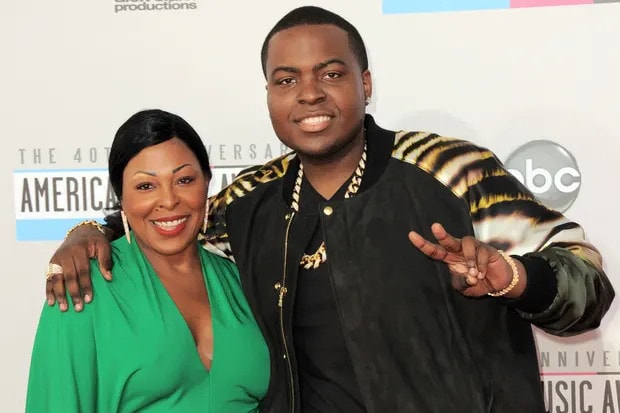
Sean Kingston, the “Beautiful Girls” crooner whose Caribbean-inflected melodies once dominated summer playlists, found himself facing a very different kind of spotlight this Friday. The 35-year-old artist, born Kisean Anderson, was sentenced to three-and-a-half years in federal prison alongside his mother, Janice Turner, following their conviction for orchestrating a sophisticated wire fraud scheme that targeted luxury vendors for over $1 million in high-end merchandise.
The case reads like a cautionary tale straight from the pages of a psychological thriller about the dark underbelly of celebrity culture. Between April 2026 and March 2024, Kingston allegedly leveraged his star power and affluent lifestyle as bait, luring unsuspecting luxury vendors into his web of deception. The scheme was as audacious as it was elaborate: Kingston would reach out to vendors online, negotiating purchases for extravagant items that epitomized the ultimate lifestyle fantasy—a bulletproof Cadillac Escalade, exquisite jewelry pieces, and even a staggering 232-inch LED television that would make any luxury penthouse complete.
source: Johnny Louis/Getty Images
What makes this case particularly fascinating from a fashion and lifestyle perspective is how Kingston weaponized the very symbols of success that define contemporary luxury culture. His Broward County mansions became stage sets for elaborate performances of wealth, where he would invite vendors to experience firsthand the lifestyle they were helping to finance. It was psychological manipulation disguised as aspirational living—using the theater of luxury to build trust before delivering the devastating blow of fraudulent wire receipts.
The fashion and luxury goods industry has long grappled with issues of authenticity and access, but Kingston’s case illuminates a more sinister dimension: the exploitation of vendors who believed they were participating in legitimate luxury transactions. These weren’t faceless corporations but often smaller, specialized dealers who built their reputations on exclusive access to high-end merchandise. The betrayal cuts deeper when trust is built through the shared language of luxury and exclusivity.
Judge David Leibowitz’s decision to sentence Kingston to 42 months in prison, falling between the prosecution’s harsh recommendation and the defense’s plea for home detention, reflects the complexity of celebrity crime in the social media age. Kingston’s legal team emphasized his charitable work and the non-violent nature of his crimes, painting a picture of a man caught between industry pressures and poor judgment rather than malicious intent.
Perhaps most heartbreaking was the courtroom drama that unfolded when Turner received her five-year sentence. Her tearful apology—”My intention was to keep my son afloat in this difficult industry. They used him and abused him”—speaks to the impossible pressures facing celebrities to maintain appearances in an industry that demands constant luxury consumption as proof of relevance and success.
The fashion industry must reckon with its role in creating these impossible standards. When luxury becomes the only acceptable currency of success, when social media demands constant visual proof of affluence, when career survival depends on maintaining an image that may be financially unsustainable, we create conditions ripe for exactly this kind of desperate deception.
Kingston’s defense attorney Zeljka Bozanic noted that most restitution was paid even before charges were filed, suggesting this wasn’t purely predatory behavior but perhaps a misguided attempt to manage cash flow while maintaining the lifestyle expectations that come with celebrity status.
As the fashion world continues its ongoing conversations about sustainability, authenticity, and ethical consumption, the Kingston case serves as a stark reminder that the psychology of luxury can be as dangerous as it is alluring. The question isn’t just about one artist’s poor choices, but about an entire culture that conflates material accumulation with artistic worth—and the devastating consequences when that impossible equation fails.
Beth Hans is an experienced fashion blogger and heel aficionado based in Los Angeles. With over 10 years in the industry, Beth has developed a keen eye for the latest and greatest trends in women's heels and footwear. On her popular blog 'Heels of Style', Beth provides in-depth reviews on today's top designer heels, recommends must-have shoes for any occasion, and shares expert tips on how to walk gracefully and pain-free in even the highest stilettos. When she's not blogging, you can find Beth searching local boutiques for hidden gem shoe brands and attending Fashion Week runway shows to spot the heel styles of the upcoming season. With her vast knowledge and passion for elevated foot fashion, Beth Hans is considered one of the top experts on all things high heels.
Bella Hadid Victoria’s Secret Fashion Show headlines wrote themselves the moment the lights dropped in Los Angeles. The 2026 spectacle, which staged its comeback...
Kendall Jenner polka dot heels were the unexpected showstopper of Saturday night, when the supermodel arrived at the sixth annual Academy Museum Gala in...
Kim Kardashian Black Open-Toe Heels: 5 Stunning Reasons
Kim Kardashian black open-toe heels proved that restraint can be the loudest statement in the room. Arriving...