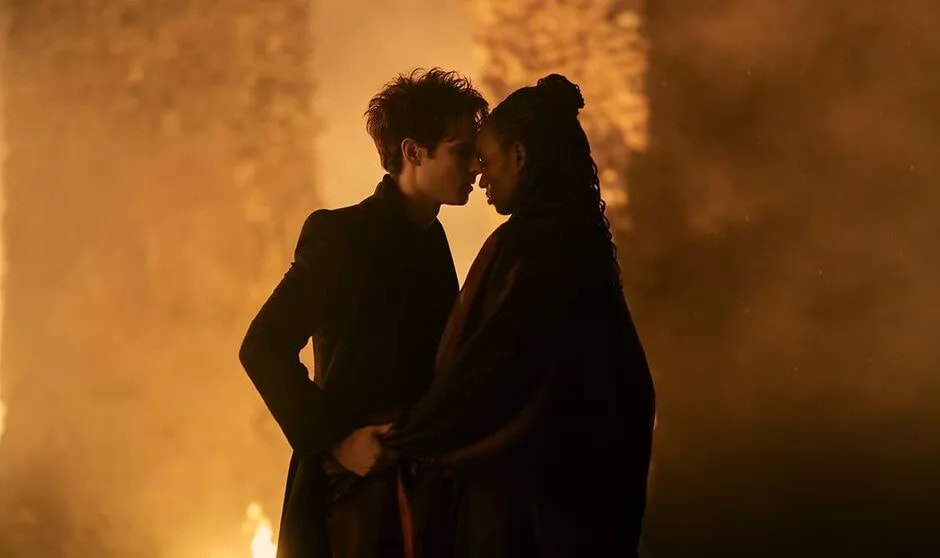
Tom Sturridge’s Swan Song: The Sandman Season 2 Proves That All Beautiful Things Must End
In the ethereal realm where dreams meet high fashion, few things capture the imagination quite like Tom Sturridge’s haunting portrayal of Dream in Netflix’s The Sandman. As the second and final season graces our screens, we find ourselves witnessing not just the end of a television masterpiece, but the conclusion of what many consider the most sartorially stunning supernatural series of our time.
The fashion world has been entranced by The Sandman since its debut, and rightfully so. Sturridge’s Dream doesn’t merely wear clothing—he embodies an entire aesthetic philosophy. His alabaster skin against midnight-black ensembles creates a visual poetry that transcends mere costume design. The series has become a masterclass in gothic romanticism, influencing everything from runway collections to street style interpretations of dark academia.
This season’s six episodes, with an additional five arriving July 24th and a special Death-centered episode on July 31st, promise to deliver the same visual feast that made fashion insiders fall in love with the show’s distinctive style. Kirby Howell-Baptiste’s Death continues to serve as the series’ most unexpectedly chic character, proving that even mortality can be dressed with impeccable taste.
source: NETFLIX
The announcement that season two would be the series’ swan song came earlier this year via Netflix’s social media channels, coinciding with serious allegations against creator Neil Gaiman—claims he has categorically denied. However, showrunner Allan Heinberg reveals that this conclusion was always part of the grand design. “The Sandman series has always been focused exclusively on Dream’s story,” Heinberg explained, “and back in 2022, when we looked at the remaining Dream material from the comics, we knew we only had enough story for one more season.”
From a fashion perspective, this planned conclusion feels both devastating and oddly fitting. The show’s aesthetic has been so carefully curated, so meticulously crafted, that extending it beyond its natural narrative arc might have diluted the visual impact that made it so compelling. Like a perfectly tailored garment, sometimes the most beautiful things are those that know when to end.
The inaugural season drew inspiration from the first 16 issues of Neil Gaiman’s 75-issue comic opus, establishing a visual language that fashion photographers and stylists have been attempting to replicate ever since. Season two promises to adapt the Season of Mists, Brief Lives, The Kindly Ones, and The Sandman: Overture collections, along with standalone stories including Tales in the Sand, A Midsummer Night’s Dream, and The Song of Orpheus.
source: NETFLIX
These source materials suggest a season rich with costume opportunities—from the ethereal gowns that might grace the dream realm to the more earthbound but equally striking ensembles worn by the Endless family. The show’s costume department has consistently delivered looks that feel both timeless and utterly contemporary, a difficult balance that speaks to the series’ broader aesthetic philosophy.
The stakes in this final season couldn’t be higher, both narratively and visually. With the Furies now in play and the balance of the Endless potentially disrupted, we’re promised “high stakes, internal reckoning, and more of the poetic storytelling the series is known for.” Translated into fashion terms, this means we can expect the visual drama to match the emotional intensity.
Volume 1 concludes not with spectacle but with intimate devastation—”a gut-wrenching act of love that may cost Dream everything.” This emotional restraint reflects the series’ sophisticated approach to both storytelling and style, proving that sometimes the most powerful moments come not from excess but from perfect, painful precision.
As we prepare for the second volume’s arrival on July 24th, the fashion world must brace itself for goodbye. The Sandman has given us a masterclass in how clothing can tell stories, how color palettes can convey emotion, and how the right silhouette can make mythology feel modern. When Dream’s story ends, we’ll lose more than just a television show—we’ll lose a visual language that has quietly revolutionized how we think about fantasy fashion.
Brooks Nader proved once again why she's become one of Milan Fashion Week's most photographed guests, stepping out on Saturday, September 26 for Dolce...