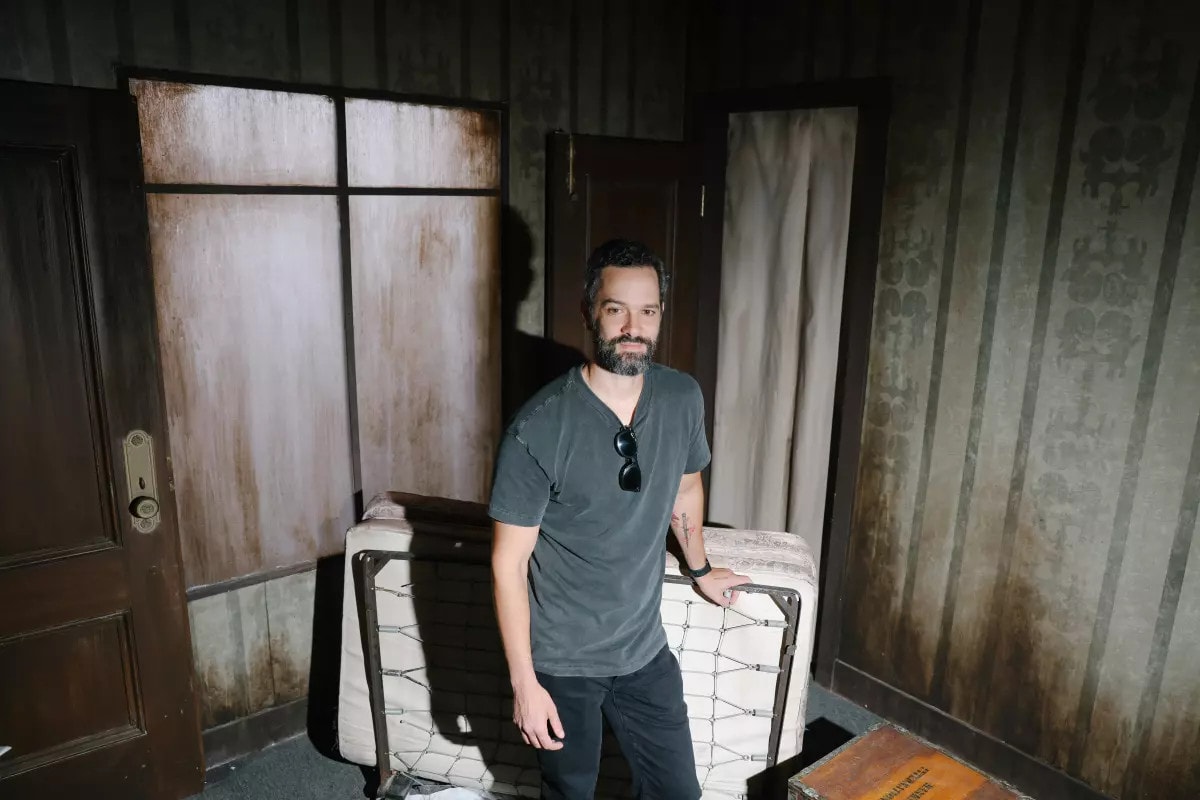
The Last of Us Loses Its Visionary: Neil Druckmann’s Exit Marks End of Gaming-TV Era
In a move that has sent shockwaves through both gaming and television circles, Neil Druckmann—the visionary architect behind one of the most successful video game-to-television adaptations in recent memory—has announced his departure from HBO’s critically acclaimed series “The Last of Us.” This decision, revealed through a carefully crafted statement on Naughty Dog’s Instagram, marks the end of an era for a project that has redefined the boundaries between interactive entertainment and prestige television.
Druckmann’s exit comes at a pivotal moment in the series’ trajectory. With Season 2 having concluded in May to widespread acclaim, and Season 3 poised to delve deeper into the complex narrative web of “The Last of Us Part II,” his departure represents more than just a creative reshuffling—it’s a seismic shift that will undoubtedly influence the show’s future aesthetic and storytelling direction.
The announcement itself was characteristically thoughtful, reflecting the meticulous attention to detail that has become synonymous with Druckmann’s work. “I’ve made the difficult decision to step away from my creative involvement in The Last of Us on HBO,” he stated, emphasizing the strategic timing of his departure. “With work completed on season 2 and before any meaningful work starts on season 3, now is the right time for me to transition my complete focus to Naughty Dog and its future projects.”
This transition isn’t merely about leaving one project for another; it represents a creative renaissance for Druckmann, who will now channel his full energy into “Intergalactic: The Heretic Prophet,” Naughty Dog’s ambitious new venture. The upcoming PlayStation 5 title, starring Tati Gabrielle—who made her mark as Nora in “The Last of Us” Season 2—promises to explore uncharted territories in interactive storytelling. Gabrielle’s casting as Jordan A. Mun, an interplanetary bounty hunter stranded on a mysterious remote planet, suggests Druckmann’s continued commitment to complex, character-driven narratives that transcend traditional gaming boundaries.
The partnership between Druckmann and Craig Mazin, the Emmy-winning creator of “Chernobyl,” has been nothing short of extraordinary. Their collaboration transformed what could have been just another video game adaptation into a cultural phenomenon that garnered eight Emmy wins from 24 nominations. The first season, anchored by Pedro Pascal’s nuanced portrayal of Joel and Bella Ramsey’s compelling Ellie, proved that video game narratives could translate into sophisticated television without losing their emotional core.
What makes Druckmann’s departure particularly significant is the timing. Season 3 is set to continue the story from “Part II,” focusing on Kaitlyn Dever’s Abby—a character whose introduction in the video game sparked intense debate among fans. This narrative choice requires delicate handling, and Druckmann’s absence will undoubtedly be felt as the show navigates these complex emotional and storytelling waters.
The ripple effects of this decision extend far beyond a single television series. Druckmann’s dual role as Studio Head and Head of Creative at Naughty Dog positions him at the forefront of gaming’s creative evolution. His focus on “Intergalactic: The Heretic Prophet” signals a new chapter for the studio that brought us “The Last of Us” and “Uncharted” franchises.
As the entertainment industry continues to blur the lines between traditional media formats, Druckmann’s career trajectory serves as a fascinating case study in creative leadership. His ability to seamlessly transition between gaming and television, while maintaining narrative integrity across both mediums, has established him as a unique voice in contemporary storytelling.
The news, first reported by The Ankler, underscores the increasingly interconnected nature of modern entertainment, where creative decisions in one medium can have profound implications across multiple platforms and audiences.
Rosa Diniz recently joined the blogging world to share her vast knowledge and unbridled passion for all things shoes. Calling herself a 'shoe-alogist', Rosa brings a fresh perspective to the scene with her new blog 'Struttin' in Stilettos'. Rosa's obsession with heels began at a young age while admiring glamorous footwear in fashion magazines. She went on to gain hands-on experience working in a local shoe store during high school. Before getting her business degree, Rosa recognized her calling to help women find their perfect pair of heels. On her blog, she offers an extensive selection of stylish stilettos, pumps, wedges and more from top designers. With her keen eye and commitment to both beauty and comfort, Rosa aims to give women the confidence to strut pain-free wherever their heels take them. When she's not busy running her shoe empire, you can find Rosa attending runway shows to stay on top of the latest trends and blogging shoe tips for her growing audience. Rosa's contagious enthusiasm for heels shines through in her writing, making her a standout new voice in the fashion world.
Brooks Nader proved once again why she's become one of Milan Fashion Week's most photographed guests, stepping out on Saturday, September 26 for Dolce...