From Windowsill to Liberation: The Handmaid’s Tale’s Circular Fashion Narrative Reaches Its Perfect Conclusion
The crimson cloak has finally been hung. After six seasons of sartorial rebellion disguised as submission, The Handmaid’s Tale concluded with a finale that fashion historians will undoubtedly reference for decades to come. Creator Bruce Miller’s masterpiece didn’t just end a television series—it completed a cultural manifesto where clothing became the ultimate language of revolution.
From the very first frame of the 2017 pilot, fashion spoke louder than words. Elisabeth Moss’s June, draped in that now-iconic red cloak and pristine white bonnet, transformed functional dystopian uniformity into the most recognizable costume silhouette of the 21st century. The genius wasn’t merely in the visual impact—it was in how these garments became symbols that transcended television, appearing on protest signs, in editorial spreads, and on red carpets worldwide.
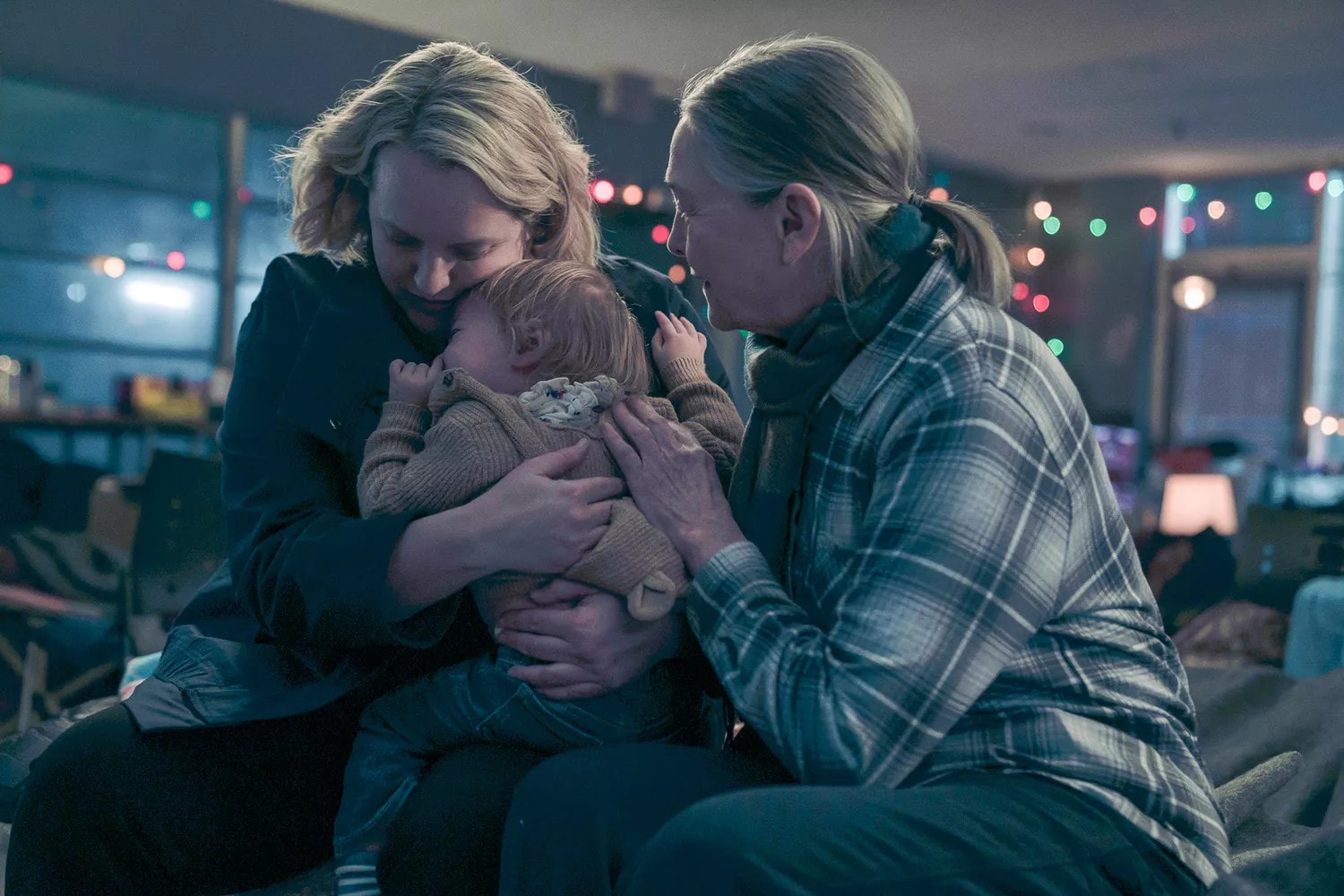
source: Disney/Steve Wilkie
The finale’s circular narrative structure mirrors fashion’s own cyclical nature. Miller always knew June’s story would return to its origins—that haunting windowsill in the Waterford home—but with revolutionary perspective. Like the most masterful couturiers who revisit signature designs with fresh interpretations, the series finale recontextualizes everything we thought we knew about power, resistance, and the clothes that define both.
The clicking sound we heard throughout the series—revealed to be June’s tape recorder—becomes the ultimate fashion metaphor. Documentation, testimony, and storytelling are themselves acts of preservation, much like how fashion archives maintain cultural memory. June’s voice-over narration transforms from survival mechanism to historical record, positioning her not just as protagonist but as fashion’s ultimate insider: the woman who witnessed, endured, and ultimately documented the most significant aesthetic revolution of her time.
Ann Dowd’s Aunt Lydia emerges as the finale’s most fascinating fashion study. Her character arc—from enforcer to facilitator of the deeply moving Janine-Charlotte reunion—parallels fashion’s own evolution. The rigid structures that once confined become the very frameworks that enable liberation. Her austere brown habit, once symbolizing oppression, transforms into something approaching benediction.
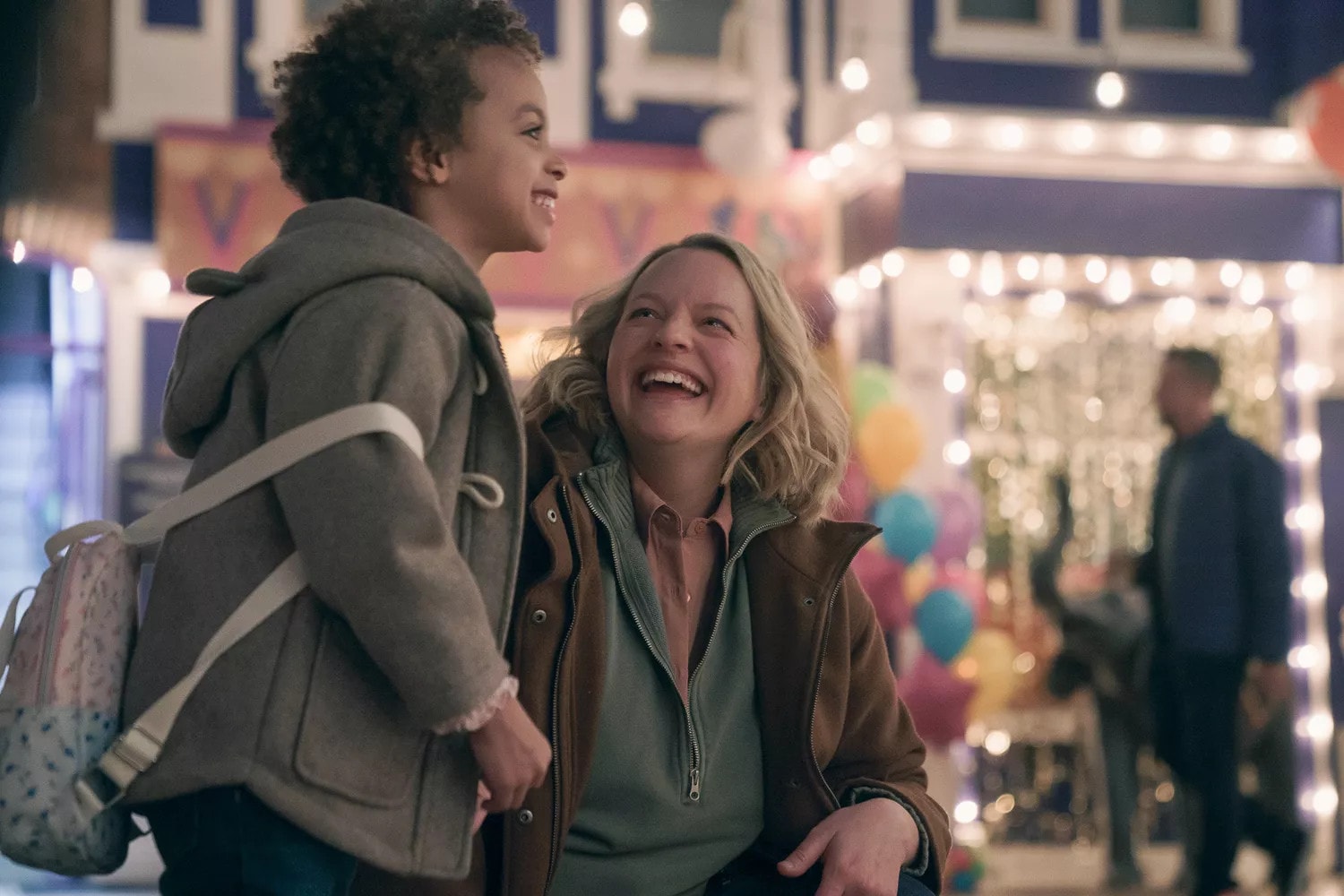
source: Disney/Steve Wilkie
Yvonne Strahovski’s Serena presents fashion’s most complex contradiction. Her finale fate—refugee status without home or haven—strips away every carefully constructed layer of her privileged wardrobe. Fashion has always been about belonging, and Serena’s sartorial displacement reflects fashion’s cruel truth: without context, even the most beautiful garments become meaningless.
The series’ costume legacy extends far beyond television. Costume designer Ane Crabtree created more than uniforms—she crafted a visual language that fashion would adopt, adapt, and analyze. The handmaid’s red became fashion’s most powerful color statement since Schiaparelli pink. The modest silhouettes sparked countless editorial interpretations exploring themes of agency, autonomy, and aesthetic rebellion.
source: Disney/Steve Wilkie
Miller’s revelation that Margaret Atwood’s sequel novel The Testaments influenced the finale’s trajectory demonstrates fashion’s collaborative nature. Like designers who work within established fashion houses while adding personal vision, Miller honored Atwood’s original aesthetic while creating something entirely new. The series finale positions itself as both conclusion and beginning—much like fashion seasons that end only to begin again.
The emotional resonance of the finale proves that fashion and storytelling share identical DNA. Both rely on transformation, both challenge conventional beauty, and both understand that the most powerful statements often come wrapped in deceptive simplicity. A red cloak, a white bonnet, a windowsill—these elements combine to create television’s most unforgettable fashion moment.
As June begins recording her testimony in liberated Boston, she models fashion’s ultimate lesson: survival requires both remembering and reimagining. The Handmaid’s Tale finale doesn’t just conclude a series—it establishes a new aesthetic vocabulary for how fashion can serve as both armor and activism.
Brooks Nader proved once again why she's become one of Milan Fashion Week's most photographed guests, stepping out on Saturday, September 26 for Dolce...