From Elvis to Tic-Tac-Dough: Wink Martindale’s Cultural Influence Beyond the Camera
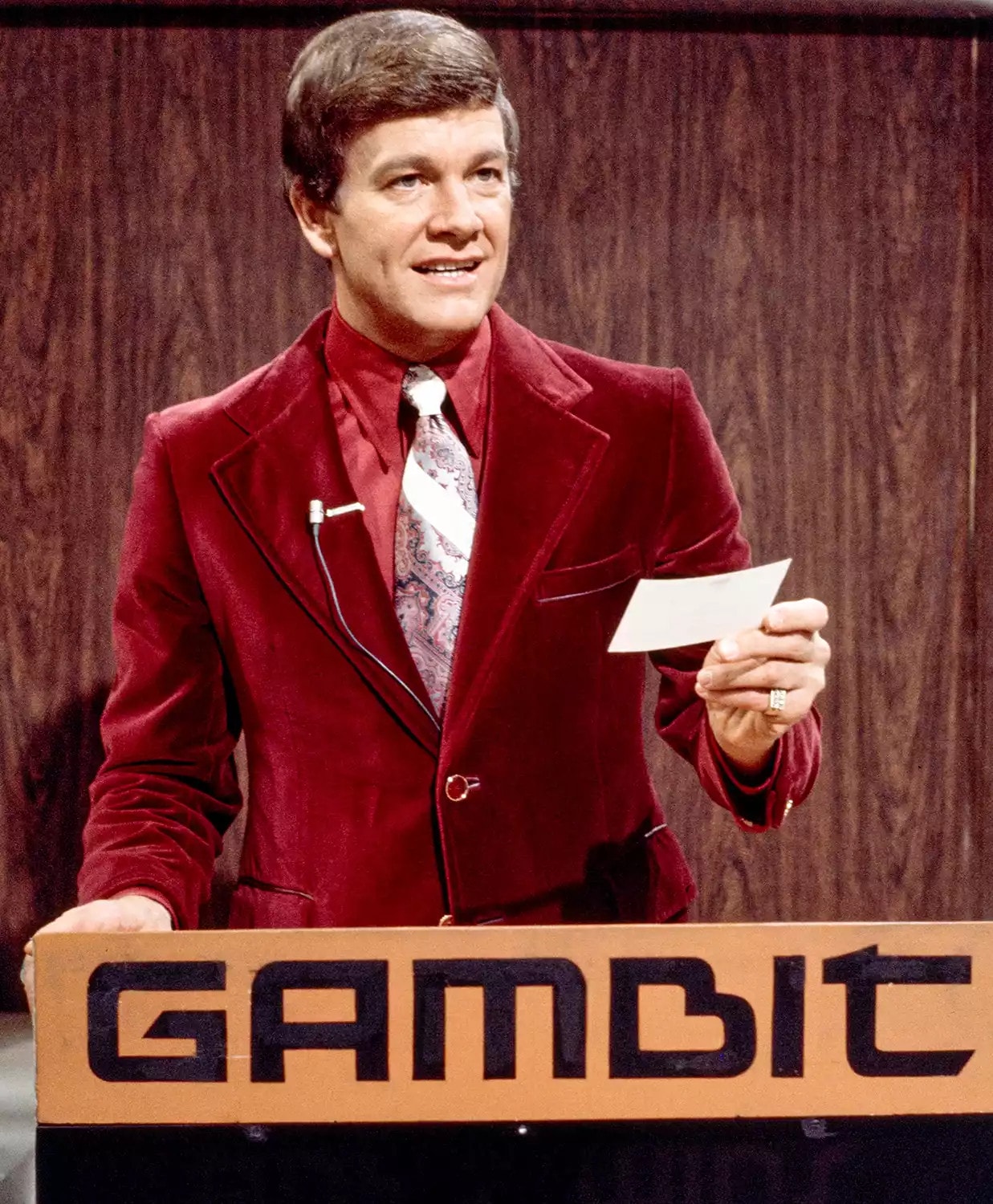
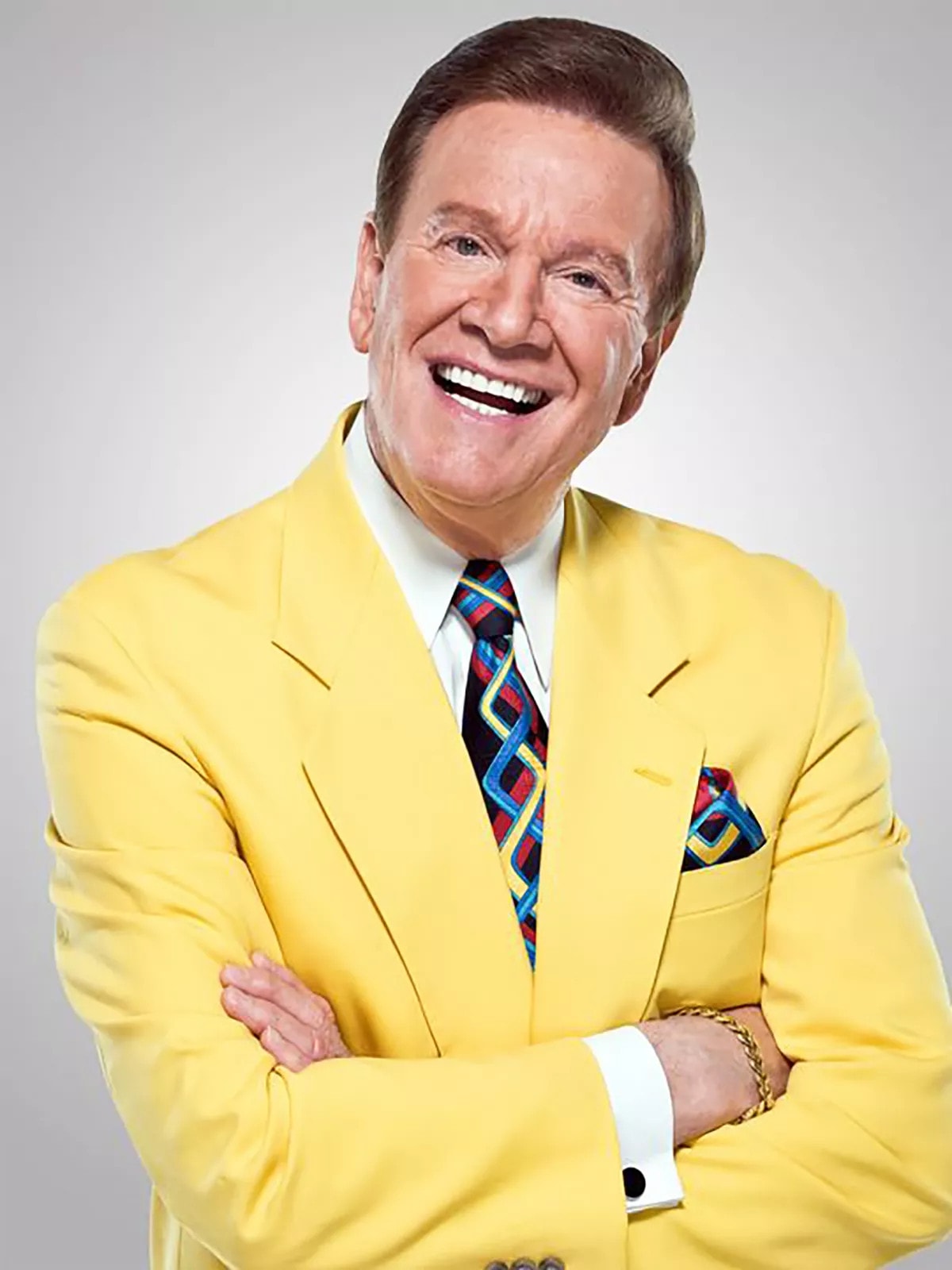
In the ever-evolving landscape of American entertainment, few figures have left an imprint as indelible as Wink Martindale, whose passing this week at age 91 marks the end of an era in broadcast history. The beloved television personality, who became a household name through iconic game shows like “Tic-Tac-Dough” and “Gambit,” departed peacefully at his Rancho Mirage residence on Tuesday, surrounded by family and his devoted wife of nearly five decades, Sandra Martindale.
Martindale’s illustrious career—spanning radio, television, and cultural touchstones—offers fashion enthusiasts a masterclass in longevity and reinvention. Much like the cyclical nature of hemlines and silhouettes, Martindale’s professional trajectory demonstrated the power of authentic presence and adaptability across changing media landscapes.
His journey began modestly in Jackson, Tennessee, where at just 17, he stepped behind a microphone that would eventually amplify his voice to millions. His tenure at Memphis’ WHBQ radio station coincided with a pivotal moment in American cultural history—the emergence of rock and roll, personified by Elvis Presley. In a serendipitous twist that would forever connect him to fashion’s most enduring icon, Martindale orchestrated Presley’s first-ever radio interview after personally contacting the singer’s mother.
source: CBS VIA GETTY
“Wink was the last living witness to ‘Presleymania’ and the birth of Rock & Roll,” noted the press statement announcing his passing—a testament to Martindale’s front-row seat to a cultural revolution that continues to influence fashion’s love affair with musical iconography and rebellion.
The relationship between Martindale and Presley evolved beyond that initial meeting. “He became my friend and he continued to be my friend until the day he died,” Martindale reflected during his 2018 Television Academy Foundation interview, revealing the authentic connections that underpinned his professional success—a quality today’s most successful fashion influencers understand implicitly.
Martindale’s westward migration to Los Angeles in the late 1950s parallels fashion’s bicoastal identity, where he transitioned between prestigious radio stations with the same fluid grace that defines seasonal wardrobe refreshes. His broadcasting foundation at stations like KHJ, KRLA, KFWB, and ultimately KMPC established him as a voice of authority and approachability—qualities that would translate seamlessly to television.
source: CBS VIA GETTY
His small-screen debut hosting “Mars Patrol,” a children’s program with science-fiction elements, showcased his versatility, while “Teenage Dance Party” cemented his cultural relevance by featuring none other than Elvis Presley in a 1956 appearance that bridged music, television, and youth culture.
The game show era that followed—beginning with NBC’s “What’s This Song?” and extending through “Gambit,” “Tic-Tac-Dough,” “High Rollers,” and numerous others—transformed Martindale from personality to institution. His eventual progression to producer on “Headline Chasers” demonstrated the behind-the-scenes savvy that defines true industry veterans.
In an industry where reinvention remains paramount, Martindale’s six-decade career offers a template for enduring relevance. His passing represents not just the loss of an entertainment pioneer, but the closing chapter on a firsthand witness to how American media, celebrity, and popular culture intertwine—lessons that today’s fashion industry continues to reference and reimagine with each passing season.
Beth Hans is an experienced fashion blogger and heel aficionado based in Los Angeles. With over 10 years in the industry, Beth has developed a keen eye for the latest and greatest trends in women's heels and footwear. On her popular blog 'Heels of Style', Beth provides in-depth reviews on today's top designer heels, recommends must-have shoes for any occasion, and shares expert tips on how to walk gracefully and pain-free in even the highest stilettos. When she's not blogging, you can find Beth searching local boutiques for hidden gem shoe brands and attending Fashion Week runway shows to spot the heel styles of the upcoming season. With her vast knowledge and passion for elevated foot fashion, Beth Hans is considered one of the top experts on all things high heels.
Brooks Nader proved once again why she's become one of Milan Fashion Week's most photographed guests, stepping out on Saturday, September 26 for Dolce...